
Windproof Umbrellas
A windproof umbrella is not a marketing word — it is a specification. Rib count, rib material and whether the canopy vents are what decide if an umbrella keeps its shape in a gust or folds inside out at a station exit.
These are the models in our range built around that specification, from a 24-rib full-size frame to a compact that flexes rather than bends.
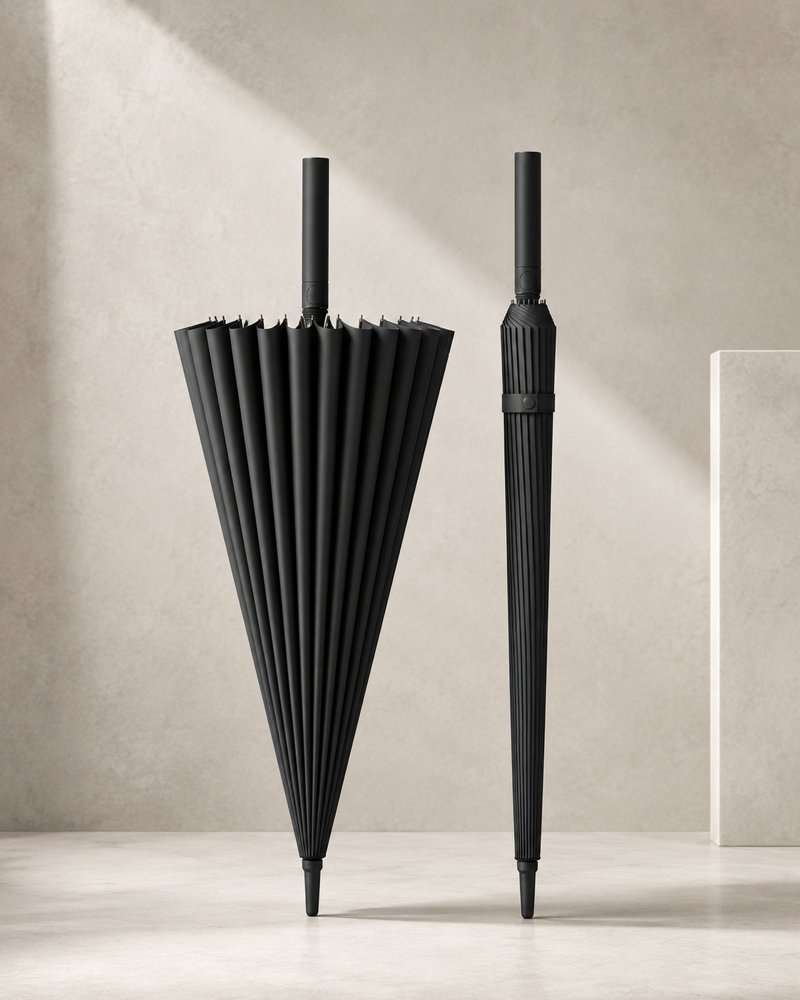
Simply Storm 24 — 24-Rib Windproof Umbrella
Our flagship — maximum stability in heavy weather.
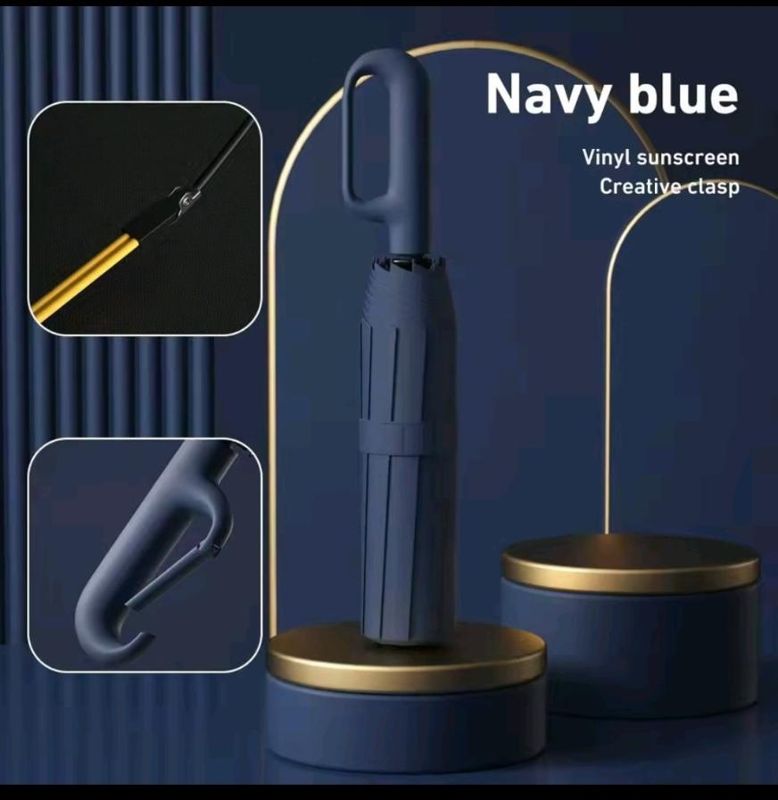
Simply Compact — Automatic Folding Umbrella
Compact automatic umbrella for everyday carry.
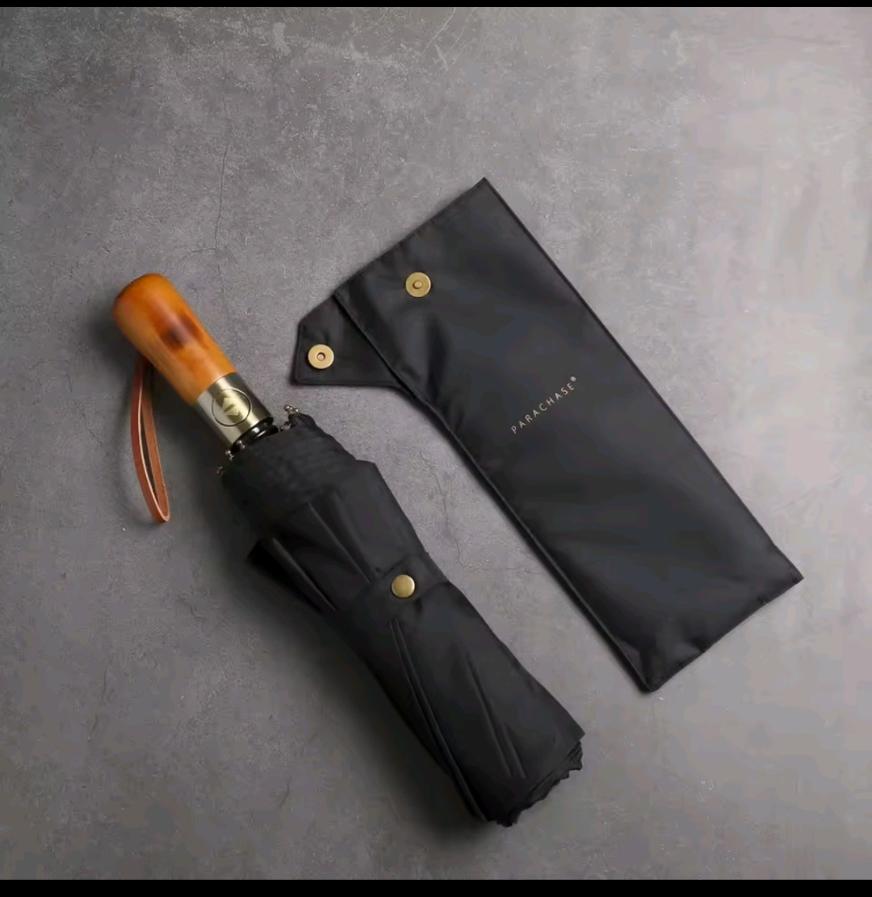
Parachase Wood Handle Umbrella
Wooden-handle automatic umbrella with travel sleeve.
How to choose an umbrella for windy weather
Start with the frame. More ribs spread the wind load across more points, so no single rib takes the whole gust and the canopy holds its dome. Fibreglass ribs flex a long way and spring back; plain steel tends to bend once and stay bent.
Then look at the canopy. A vented, double-layer canopy lets air escape upwards instead of pushing against the fabric, which is why the umbrella settles rather than jerks in a gust.
- 8 ribs — fine for still drizzle and short walks
- 16 ribs — noticeably steadier on gusty city streets
- 24 ribs — the point at which inverting stops being routine
- Fibreglass ribs over steel, every time
Common questions
- What makes an umbrella windproof?
- A higher rib count, flexible fibreglass ribs and a vented double-layer canopy. Those three together let the frame flex and release pressure instead of inverting.
- Is any umbrella completely storm proof?
- No handheld umbrella is safe in storm-force wind. A well-built frame resists everyday British gusts without turning out, but in severe weather no umbrella should be used.
- Are 24-rib umbrellas better than 8-rib?
- For wind, yes — the load is shared across three times as many points and the canopy sits far tighter. The trade-off is weight and packed size.